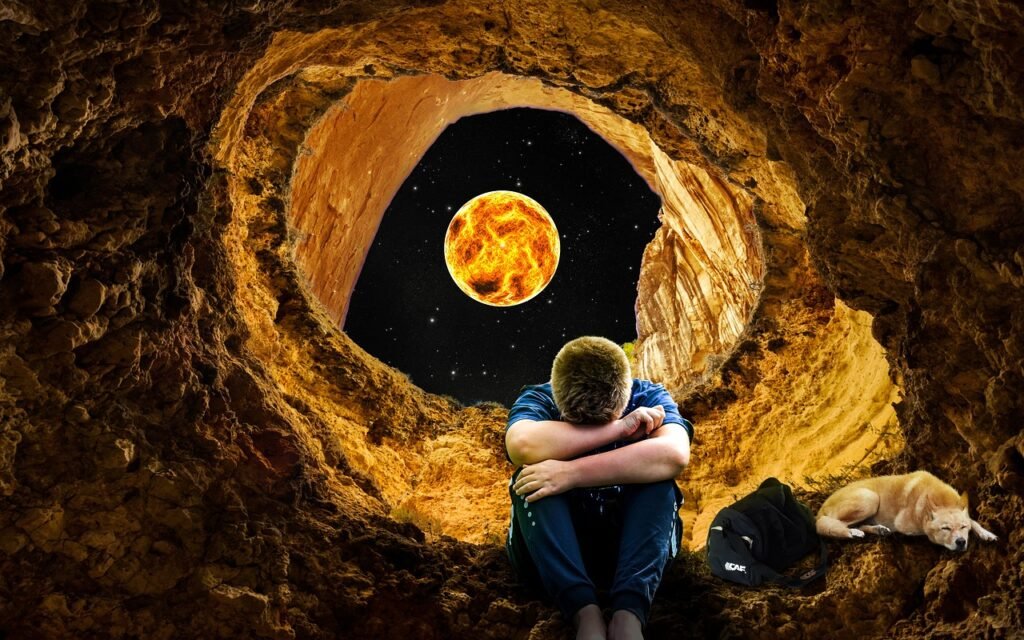
Depression is more than just feeling sad for a few days. It’s a serious mental health condition that affects how you feel, think, and behave, leading to persistent feelings of sadness and loss of interest in activities you once enjoyed. Understanding depression, its causes, symptoms, and available treatments is crucial for breaking down stigma and empowering individuals to seek help. This guide will provide comprehensive depression education, aiming to equip you with the knowledge to recognize, manage, and support yourself or others affected by this condition.
Understanding Depression: Beyond Just Feeling Blue
Depression isn’t a sign of weakness or a character flaw. It’s a complex illness that can affect anyone, regardless of age, gender, or background. Learning about the different facets of depression can help foster empathy and encourage early intervention.
What is Clinical Depression?
- Clinical depression, also known as Major Depressive Disorder (MDD), is characterized by a persistent feeling of sadness or loss of interest or pleasure in activities for at least two weeks, and it represents a significant change from previous functioning. It impacts your daily life, making it difficult to work, study, sleep, eat, and enjoy life.
- Example: An individual who typically enjoys socializing with friends starts withdrawing and isolating themselves, feeling constantly fatigued, and losing interest in hobbies they previously loved. These changes, persisting for more than two weeks, might indicate clinical depression.
- This differs from situational sadness which is a normal reaction to life events. Clinical depression persists and impacts function.
Types of Depressive Disorders
- Persistent Depressive Disorder (Dysthymia): A chronic, low-grade depression lasting for at least two years.
- Seasonal Affective Disorder (SAD): Depression that occurs at the same time each year, usually during winter months due to reduced sunlight exposure.
- Postpartum Depression: Depression that occurs after childbirth, often linked to hormonal changes and the challenges of new motherhood.
- Bipolar Disorder: While not strictly a depressive disorder, it includes periods of depression alternating with periods of mania or hypomania.
- Premenstrual Dysphoric Disorder (PMDD): A severe form of premenstrual syndrome (PMS) that causes significant mood swings and depressive symptoms in the week or two before menstruation.
Statistics and Prevalence
- According to the World Health Organization (WHO), more than 280 million people worldwide suffer from depression.
- Depression is a leading cause of disability worldwide.
- Women are more likely to be diagnosed with depression than men, although this might reflect reporting differences rather than true prevalence.
- Untreated depression can lead to increased risk of substance abuse, social isolation, and even suicide.
Recognizing the Symptoms of Depression
Identifying the symptoms of depression is the first step towards seeking help. The symptoms can vary from person to person, but common indicators include emotional, physical, and cognitive changes.
Emotional Symptoms
- Persistent sadness, emptiness, or hopelessness
- Irritability, frustration, or restlessness
- Loss of interest or pleasure in activities
- Feelings of guilt, worthlessness, or helplessness
- Anxiety or worry
- Example: A student who used to be enthusiastic about their studies suddenly feels apathetic, unmotivated, and constantly worried about failing, even though their academic performance hasn’t declined.
Physical Symptoms
- Fatigue and lack of energy
- Changes in appetite or weight (either significant weight loss or gain)
- Sleep disturbances (insomnia or excessive sleeping)
- Physical aches and pains (headaches, stomachaches) with no clear cause
- Decreased libido
- Example: A working professional starts experiencing constant fatigue, even after a full night’s sleep. They also notice a significant change in their appetite, either eating excessively or having no desire to eat at all.
Cognitive Symptoms
- Difficulty concentrating, remembering details, or making decisions
- Slowed thinking, speaking, or movement
- Thoughts of death or suicide
- Rumination (dwelling on negative thoughts)
- Negative self-talk
- Example: An individual finds it increasingly difficult to focus at work, makes frequent errors, and struggles to remember even simple tasks. They also experience recurrent negative thoughts about themselves and their abilities.
What Causes Depression? Exploring the Factors
Depression is a complex disorder with no single cause. It typically results from a combination of genetic, biological, environmental, and psychological factors.
Genetic Predisposition
- Having a family history of depression increases the likelihood of developing the condition. Genes can influence the levels of neurotransmitters in the brain, making some individuals more vulnerable to mood disorders.
- Example: If a person has a parent or sibling with depression, they are more likely to experience depression themselves. This doesn’t guarantee they will, but it increases the risk.
Biological Factors
- Neurotransmitter Imbalances: Imbalances in neurotransmitters like serotonin, dopamine, and norepinephrine play a significant role in mood regulation. Low levels of these neurotransmitters are associated with depression.
- Hormonal Changes: Hormonal fluctuations, such as those that occur during pregnancy, postpartum, menopause, or thyroid disorders, can contribute to depression.
- Brain Structure and Function: Differences in brain regions involved in mood regulation, such as the hippocampus and amygdala, have been observed in individuals with depression.
Environmental and Psychological Factors
- Stressful Life Events: Trauma, loss, abuse, financial difficulties, relationship problems, and major life changes can trigger depression.
- Chronic Illnesses: Living with chronic pain, heart disease, cancer, or other serious illnesses increases the risk of depression.
- Personality Traits: Individuals with certain personality traits, such as low self-esteem, pessimism, and perfectionism, may be more susceptible to depression.
- Social Isolation: Lack of social support and feelings of loneliness can contribute to depression.
Treatment Options for Depression: Finding the Right Path
Depression is a treatable condition. A variety of treatment options are available, and often a combination of approaches is most effective. It’s important to work with a healthcare professional to determine the best treatment plan for your specific needs.
Psychotherapy (Talk Therapy)
- Cognitive Behavioral Therapy (CBT): Helps identify and change negative thinking patterns and behaviors that contribute to depression.
Example: CBT might help a person with depression challenge negative thoughts like “I’m worthless” by examining evidence for and against the thought and developing more balanced and realistic perspectives.
- Interpersonal Therapy (IPT): Focuses on improving interpersonal relationships and addressing issues that may be contributing to depression, such as grief, role transitions, or social isolation.
Example: IPT might help a person struggling with grief after the loss of a loved one to process their emotions and develop coping strategies for managing their loss.
- Psychodynamic Therapy: Explores unconscious patterns and past experiences to gain insight into current feelings and behaviors.
Medication
- Antidepressants: Medications that help regulate neurotransmitter levels in the brain. Common types include:
Selective Serotonin Reuptake Inhibitors (SSRIs): Increase serotonin levels.
Serotonin-Norepinephrine Reuptake Inhibitors (SNRIs): Increase both serotonin and norepinephrine levels.
Tricyclic Antidepressants (TCAs): Older antidepressants that affect multiple neurotransmitters.
Monoamine Oxidase Inhibitors (MAOIs): Also older antidepressants, requiring dietary restrictions.
- It’s important to note that antidepressants can take several weeks to reach their full effect, and it’s crucial to work closely with a doctor to monitor side effects and ensure the medication is working effectively.
Lifestyle Changes and Self-Care
- Regular Exercise: Physical activity releases endorphins, which have mood-boosting effects.
- Healthy Diet: Eating a balanced diet rich in fruits, vegetables, and whole grains can improve mood and energy levels.
- Sufficient Sleep: Getting enough sleep is essential for both physical and mental health. Aim for 7-9 hours of sleep per night.
- Mindfulness and Meditation: Practicing mindfulness and meditation can help reduce stress and improve emotional regulation.
- Social Support: Connecting with friends, family, or support groups can provide emotional support and reduce feelings of isolation.
Supporting Someone with Depression
Knowing how to support someone with depression can make a significant difference in their recovery journey. Empathy, understanding, and patience are key.
What to Do
- Listen Without Judgment: Create a safe space for the person to express their feelings without feeling judged or criticized.
- Offer Encouragement: Remind them that depression is treatable and that they are not alone.
- Help Them Seek Professional Help: Offer to help them find a therapist, psychiatrist, or other mental health professional.
- Encourage Self-Care: Encourage them to engage in activities that they enjoy and that promote their well-being.
- Be Patient: Recovery from depression can take time. Be patient and understanding as they work towards healing.
- Example: Instead of saying “Just snap out of it,” say “I’m here for you. How can I help you find some professional support?”
What Not to Do
- Dismiss Their Feelings: Avoid saying things like “It’s all in your head” or “Just think positive.”
- Offer Unsolicited Advice: Resist the urge to give advice unless they specifically ask for it.
- Push Them Too Hard: Avoid pressuring them to do things that they are not ready for.
- Take Their Symptoms Personally: Remember that their symptoms are a result of their illness and are not a reflection of their feelings towards you.
Conclusion
Depression is a complex and pervasive mental health condition, but with increased education, understanding, and access to effective treatments, we can break down the stigma surrounding it and empower individuals to seek help. Recognizing the symptoms, understanding the causes, and exploring available treatment options are crucial steps in managing and overcoming depression. Remember, seeking help is a sign of strength, and recovery is possible. If you or someone you know is struggling with depression, reach out to a healthcare professional or mental health organization for support and guidance. You are not alone.