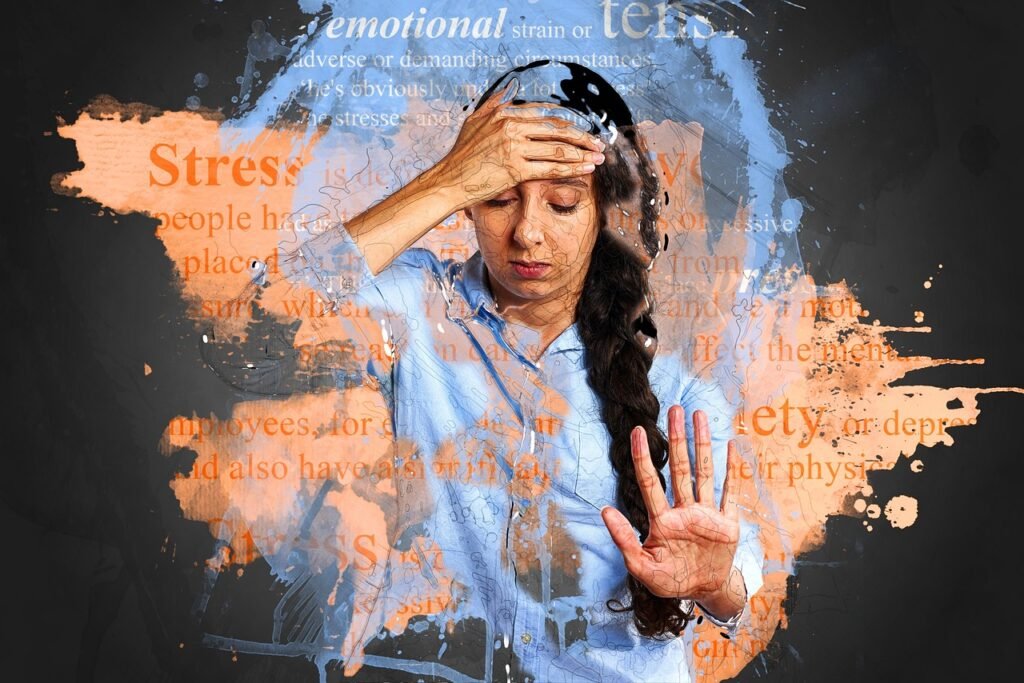
Feeling overwhelmed and constantly on edge? You’re not alone. In today’s fast-paced world, stress has become a pervasive issue affecting our physical and mental well-being. But the good news is that stress is manageable! By incorporating effective stress management tools into your daily routine, you can regain control, improve your overall health, and live a more balanced life. Let’s explore some proven strategies to help you navigate the challenges and cultivate inner peace.
Understanding Stress and Its Impact
What is Stress?
Stress is the body’s natural response to any demand or challenge. It can be triggered by various factors, including work pressures, relationship issues, financial worries, and health concerns. While short-term stress can be beneficial, chronic stress can lead to serious health problems.
The Effects of Chronic Stress
Prolonged exposure to stress hormones can have detrimental effects on your body and mind. These effects include:
- Weakened immune system: Making you more susceptible to illness.
- Increased risk of cardiovascular disease: Raising blood pressure and cholesterol levels.
- Digestive problems: Leading to stomachaches, ulcers, and irritable bowel syndrome (IBS).
- Mental health issues: Contributing to anxiety, depression, and burnout.
- Sleep disturbances: Causing insomnia and fatigue.
- Actionable Takeaway: Recognizing the signs and symptoms of stress is the first step toward managing it effectively. Pay attention to your body and mind, and seek help if needed.
Mindfulness and Meditation Techniques
The Power of Mindfulness
Mindfulness is the practice of paying attention to the present moment without judgment. It involves focusing on your thoughts, feelings, and sensations as they arise, without getting carried away by them. Mindfulness can help you reduce stress by increasing your awareness of your stress triggers and promoting a sense of calm and acceptance.
Types of Meditation
There are various types of meditation techniques, each with its unique approach. Some popular methods include:
- Guided Meditation: Listening to a guided audio recording that leads you through visualization and relaxation exercises. Apps like Calm and Headspace offer a wide range of guided meditations for different needs.
- Breath Awareness Meditation: Focusing on the sensation of your breath as it enters and leaves your body. This simple technique can be practiced anywhere, anytime, to calm your mind and reduce anxiety.
- Body Scan Meditation: Bringing awareness to different parts of your body, noticing any sensations or tension. This can help you release physical tension and improve body awareness.
- Loving-Kindness Meditation: Cultivating feelings of love, compassion, and kindness toward yourself and others. This practice can help you improve your relationships and increase your overall well-being.
- Actionable Takeaway: Start with just 5-10 minutes of meditation per day and gradually increase the duration as you become more comfortable. Consistency is key to experiencing the benefits of mindfulness and meditation.
Physical Activity and Exercise
The Benefits of Exercise for Stress Relief
Exercise is a powerful stress reliever. Physical activity helps release endorphins, which have mood-boosting and pain-relieving effects. Regular exercise can also improve your sleep, boost your self-esteem, and increase your energy levels.
Types of Exercise to Reduce Stress
There are many different types of exercise you can try, depending on your preferences and physical abilities. Some effective options include:
- Aerobic Exercise: Activities like running, swimming, cycling, and dancing can help lower your heart rate and reduce stress hormones.
- Yoga: Combining physical postures, breathing techniques, and meditation, yoga can help you relax your mind and body, improve flexibility, and reduce stress.
- Walking: A simple and accessible form of exercise that can be easily incorporated into your daily routine. A brisk walk in nature can be especially beneficial for stress relief.
- Strength Training: Lifting weights or doing bodyweight exercises can help you build muscle, improve your metabolism, and reduce stress.
- Actionable Takeaway: Aim for at least 30 minutes of moderate-intensity exercise most days of the week. Find an activity you enjoy and make it a regular part of your routine.
Time Management and Organization
The Importance of Time Management
Poor time management can lead to increased stress and feelings of being overwhelmed. By learning how to manage your time effectively, you can reduce stress, improve your productivity, and create more time for relaxation and leisure activities.
Effective Time Management Strategies
- Prioritize Tasks: Identify your most important tasks and focus on completing them first. Use the Eisenhower Matrix (urgent/important) to categorize your tasks.
- Set Realistic Goals: Break down large tasks into smaller, more manageable steps. Setting achievable goals can help you stay motivated and reduce feelings of overwhelm.
- Create a Schedule: Plan your day in advance, allocating specific time slots for different tasks. Use a calendar or planner to stay organized and track your progress.
- Learn to Delegate: Don’t be afraid to ask for help when you need it. Delegating tasks can free up your time and reduce your workload.
- Avoid Procrastination: Tackle difficult tasks head-on, instead of putting them off. Procrastination can lead to increased stress and anxiety.
- Take Breaks: Schedule regular breaks throughout the day to rest and recharge. Even a short break can help you refresh your mind and improve your focus.
- Actionable Takeaway: Start by implementing one or two time management strategies and gradually incorporate more as you become more comfortable. Experiment with different techniques to find what works best for you.
Social Support and Connection
The Role of Social Support in Stress Management
Having strong social connections can significantly reduce stress. Social support provides a sense of belonging, validation, and emotional comfort. Sharing your feelings with trusted friends, family members, or a therapist can help you process your emotions and gain new perspectives.
Building and Maintaining Social Connections
- Make Time for Social Activities: Schedule regular outings with friends and family. Even a simple coffee date or phone call can make a big difference.
- Join a Club or Group: Participating in activities you enjoy with like-minded people can help you build new connections and expand your social circle.
- Volunteer: Helping others can boost your self-esteem and provide a sense of purpose. Volunteering can also connect you with people who share your values.
- Communicate Openly: Share your feelings and experiences with trusted individuals. Being vulnerable can strengthen your relationships and provide emotional support.
- Seek Professional Help: If you’re struggling to cope with stress on your own, consider seeking therapy or counseling. A therapist can provide you with tools and strategies to manage stress and improve your mental health.
- Actionable Takeaway: Nurture your relationships and prioritize social connection. Reach out to friends and family, and don’t be afraid to ask for help when you need it.
Healthy Lifestyle Habits
The Impact of Lifestyle on Stress
Your lifestyle habits can significantly impact your stress levels. Adopting healthy habits can help you build resilience and better cope with challenges.
Key Lifestyle Strategies for Stress Management
- Balanced Diet: Eating a healthy diet rich in fruits, vegetables, and whole grains can provide your body with the nutrients it needs to function optimally. Avoid processed foods, sugary drinks, and excessive caffeine, which can exacerbate stress.
- Sufficient Sleep: Aim for 7-8 hours of quality sleep per night. Sleep deprivation can impair your cognitive function and increase your stress levels. Establish a regular sleep schedule and create a relaxing bedtime routine.
- Limit Alcohol and Tobacco: Avoid using alcohol and tobacco as coping mechanisms for stress. These substances can provide temporary relief but can ultimately worsen your stress and lead to addiction.
- Hydration: Drink plenty of water throughout the day to stay hydrated. Dehydration can lead to fatigue, headaches, and increased stress.
- Limit Screen Time: Excessive screen time can disrupt your sleep and increase your stress levels. Set limits on your screen time, especially before bed.
- Actionable Takeaway: Make gradual changes to your lifestyle, focusing on one or two habits at a time. Consistency is key to experiencing the long-term benefits of healthy living.
Conclusion
Managing stress is an ongoing process that requires commitment and self-awareness. By incorporating these stress management tools into your daily routine, you can build resilience, improve your overall well-being, and live a more balanced and fulfilling life. Remember to be patient with yourself and celebrate your progress along the way. Don’t be afraid to experiment with different techniques to find what works best for you. Your mental and physical health are worth the investment.