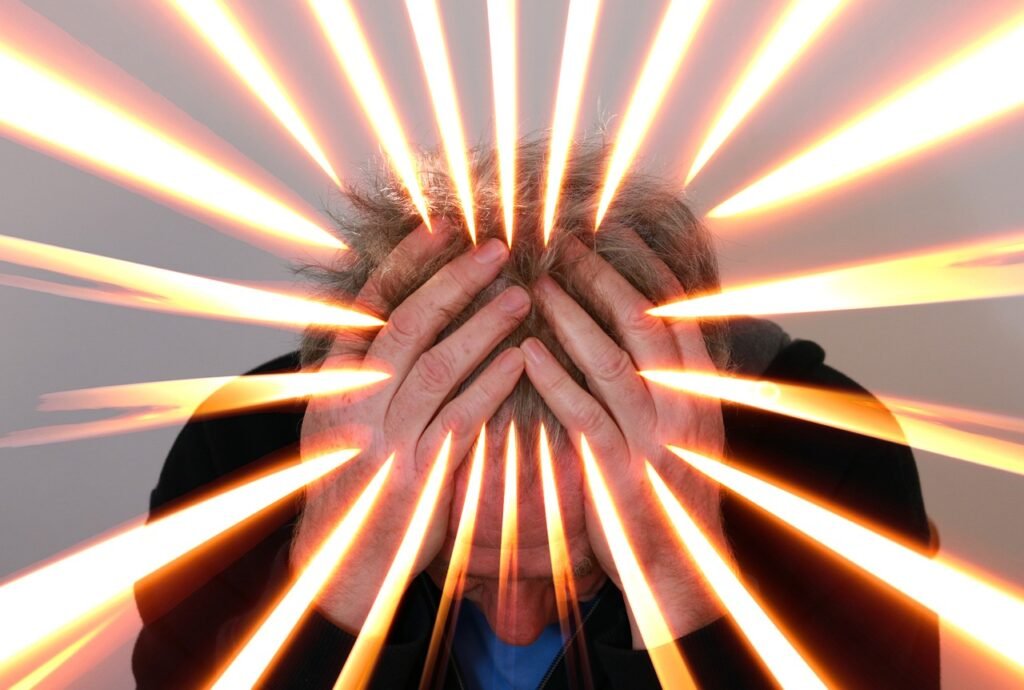
In today’s fast-paced world, stress and anxiety have become unwelcome companions for many. Fortunately, there are effective and accessible relaxation techniques that can help you reclaim your peace of mind. This comprehensive guide will explore several proven methods to reduce stress, enhance well-being, and cultivate a more relaxed state of being. Whether you’re seeking relief from daily pressures or looking to improve your overall quality of life, these techniques can be valuable tools in your self-care arsenal.
Understanding the Importance of Relaxation Techniques
The Impact of Stress on the Body and Mind
Stress, when chronic, can wreak havoc on both your physical and mental health. Prolonged stress can contribute to a range of health problems, including:
- Increased blood pressure
- Weakened immune system
- Digestive issues
- Sleep disturbances
- Anxiety and depression
Relaxation techniques provide a counter-balance to the stress response, allowing your body and mind to recover and rejuvenate. Studies have shown that regular practice of relaxation techniques can reduce stress hormones like cortisol and adrenaline.
Benefits of Incorporating Relaxation into Your Routine
Integrating relaxation practices into your daily or weekly routine offers a multitude of benefits:
- Improved Mood: Relaxation can elevate your mood and reduce feelings of anxiety and depression.
- Enhanced Sleep Quality: Relaxation techniques can help quiet the mind and prepare the body for restful sleep.
- Increased Focus and Concentration: By reducing mental clutter, relaxation can sharpen your focus and improve concentration.
- Pain Management: Relaxation can help alleviate chronic pain by reducing muscle tension and promoting the release of endorphins.
- Better Heart Health: By lowering blood pressure and reducing heart rate, relaxation can contribute to better cardiovascular health.
Breathing Exercises for Immediate Stress Relief
Diaphragmatic Breathing (Belly Breathing)
Diaphragmatic breathing, also known as belly breathing, is a simple yet powerful technique for calming the nervous system. It involves breathing deeply from the diaphragm, the muscle located below your lungs.
- How to practice:
- Example: Imagine filling a balloon in your abdomen as you inhale, and slowly deflating it as you exhale.
4-7-8 Breathing
The 4-7-8 breathing technique is a calming breathwork exercise developed by Dr. Andrew Weil. It is designed to reduce anxiety and promote relaxation.
- How to practice:
- Tip: Focus on the counting to help quiet your mind.
Mindfulness Meditation: Cultivating Present Moment Awareness
What is Mindfulness Meditation?
Mindfulness meditation involves paying attention to the present moment without judgment. It’s about observing your thoughts, feelings, and sensations as they arise, without getting carried away by them.
Practical Mindfulness Exercises
- Body Scan Meditation: Lie down comfortably and bring your attention to different parts of your body, one at a time, noticing any sensations you feel.
- Walking Meditation: Pay attention to the sensations of your feet making contact with the ground as you walk. Notice the movement of your body and the air around you.
- Mindful Eating: Engage all your senses while eating. Notice the colors, textures, smells, and flavors of your food. Chew slowly and deliberately.
- Actionable Takeaway: Start with just 5-10 minutes of mindfulness meditation each day and gradually increase the duration as you become more comfortable. There are numerous apps and online resources available to guide you.
Progressive Muscle Relaxation (PMR)
The Principles of PMR
Progressive Muscle Relaxation (PMR) is a technique that involves tensing and relaxing different muscle groups in the body in a systematic way. This helps to release physical tension and promote relaxation.
How to Practice PMR
- Tip: There are many guided PMR recordings available online that can help you learn and practice this technique.
Visualization and Guided Imagery
The Power of Visualization
Visualization, also known as guided imagery, involves creating mental images of peaceful and relaxing scenes. This can help to calm the mind and reduce stress.
Creating Your Own Relaxing Scenarios
- Beach Scene: Imagine yourself lying on a warm, sandy beach, listening to the gentle sound of the waves. Feel the sun on your skin and the breeze in your hair.
- Forest Scene: Picture yourself walking through a lush green forest, surrounded by towering trees and the sounds of nature. Feel the soft earth beneath your feet and breathe in the fresh air.
- Mountain Scene: Visualize yourself standing on top of a majestic mountain, overlooking a breathtaking landscape. Feel the sense of peace and tranquility.
- Example:* When feeling stressed, close your eyes and imagine yourself in one of these relaxing scenarios. Engage all your senses to make the experience as vivid as possible. Listen to ambient sounds of nature to further enhance the experience.
Conclusion
Incorporating relaxation techniques into your daily life is a powerful way to manage stress, improve your overall well-being, and cultivate a greater sense of inner peace. From simple breathing exercises to mindfulness meditation and progressive muscle relaxation, there are a variety of methods to choose from. Experiment with different techniques to find what works best for you and make relaxation a regular part of your self-care routine. The benefits of stress reduction are profound and far-reaching, making the investment of your time and effort well worthwhile.