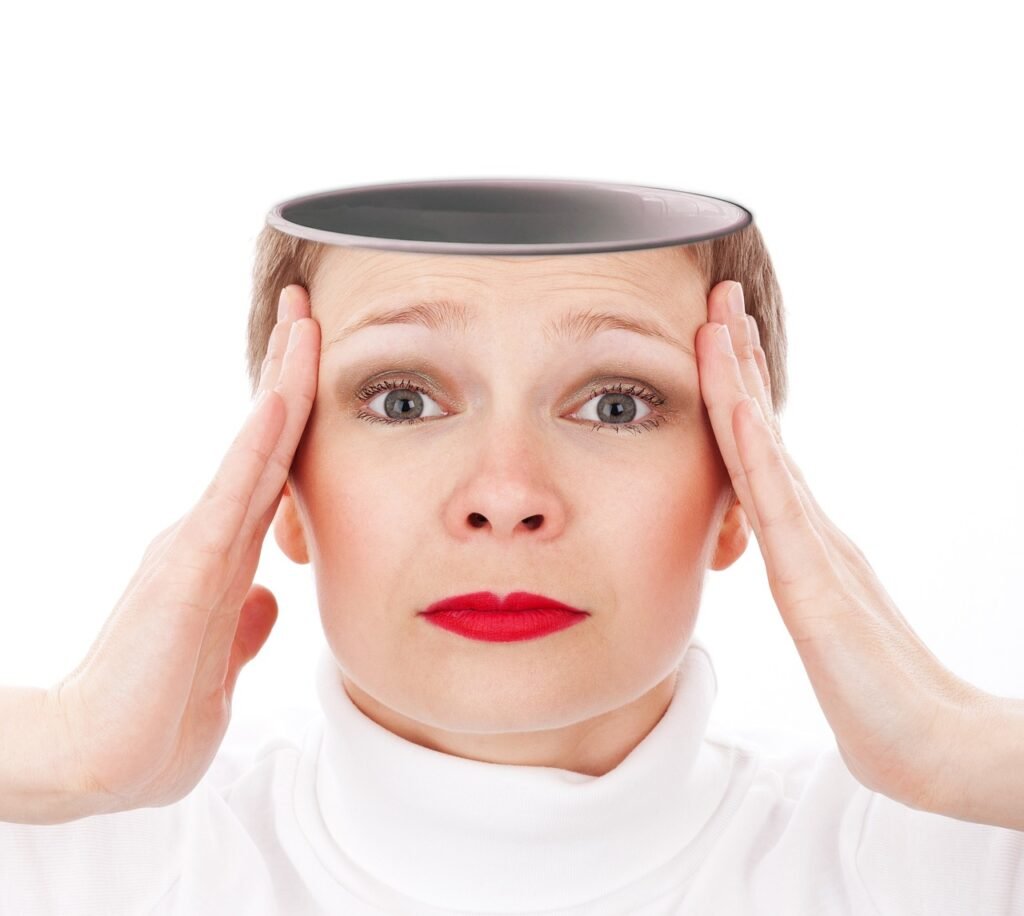
Feeling stressed, anxious, or simply overwhelmed? You’re not alone. In today’s fast-paced world, it’s easy to get caught up in the whirlwind of daily demands. But there’s a simple, powerful tool available to each of us that can help us regain control and find a sense of calm: deep breathing exercises. These aren’t just about taking a bigger breath; they’re about consciously controlling your breath to activate your body’s natural relaxation response, improving both physical and mental well-being. Let’s explore how these exercises can transform your life.
The Science Behind Deep Breathing
The Body’s Response to Stress
Our bodies are wired with a built-in stress response, often called the “fight-or-flight” response. When we perceive a threat, our heart rate increases, our breathing becomes shallow and rapid, and our muscles tense up. This response is designed to help us survive dangerous situations, but when chronically activated by everyday stressors, it can lead to anxiety, fatigue, and other health problems.
How Deep Breathing Counters Stress
Deep breathing exercises tap into the parasympathetic nervous system, also known as the “rest and digest” system. By slowing down our breathing and focusing on each inhale and exhale, we signal to our brain that we are safe and secure. This, in turn, helps to:
- Lower heart rate and blood pressure: Deep breathing slows down the heart and widens blood vessels, promoting relaxation.
- Reduce muscle tension: Conscious breathing encourages muscles to release tension.
- Increase oxygen intake: Deeper breaths bring more oxygen to the brain and body, improving overall function.
- Decrease stress hormones: Deep breathing helps lower levels of cortisol, the stress hormone. Studies have shown that consistent deep breathing practice can significantly reduce perceived stress levels.
The Vagus Nerve Connection
The vagus nerve plays a critical role in the connection between the brain and the body. Stimulating the vagus nerve through deep breathing activates the parasympathetic nervous system, promoting relaxation and reducing stress. The vagus nerve is a long nerve that connects the brainstem to the heart, lungs, digestive system, and other organs.
Popular Deep Breathing Techniques
Diaphragmatic Breathing (Belly Breathing)
Diaphragmatic breathing, also known as belly breathing, is one of the most effective deep breathing techniques. It focuses on using the diaphragm, the large muscle at the base of the lungs, to draw air deep into the abdomen.
How to practice:
- Lie on your back with your knees bent. You can also sit comfortably in a chair.
- Place one hand on your chest and the other on your abdomen.
- Inhale slowly and deeply through your nose, allowing your abdomen to rise while keeping your chest relatively still.
- Exhale slowly through your mouth, letting your abdomen fall.
- Repeat for 5-10 minutes.
Box Breathing (Square Breathing)
Box breathing, or square breathing, is a simple yet effective technique used by Navy SEALs to stay calm under pressure. It involves equal parts inhalation, holding the breath, exhalation, and holding the breath again, creating a square-like rhythm.
How to practice:
- Exhale completely, emptying your lungs.
- Inhale slowly through your nose for a count of 4.
- Hold your breath for a count of 4.
- Exhale slowly through your mouth for a count of 4.
- Hold your breath for a count of 4.
- Repeat for 5-10 minutes.
4-7-8 Breathing
The 4-7-8 breathing technique, developed by Dr. Andrew Weil, is a powerful relaxation method that can help reduce anxiety and promote sleep. It involves specific timing to calm the nervous system.
How to practice:
- Place the tip of your tongue against the ridge of tissue just behind your upper front teeth, and keep it there throughout the exercise.
- Exhale completely through your mouth, making a “whoosh” sound.
- Close your mouth and inhale quietly through your nose to a count of 4.
- Hold your breath for a count of 7.
- Exhale completely through your mouth, making a “whoosh” sound, to a count of 8.
- Repeat the cycle 4 times.
Benefits of Regular Deep Breathing
Physical Health Benefits
Consistent practice of deep breathing exercises offers a multitude of physical health benefits:
- Improved cardiovascular health: Lowering blood pressure and heart rate reduces strain on the cardiovascular system.
- Enhanced respiratory function: Deep breathing strengthens the respiratory muscles and improves lung capacity.
- Pain management: Deep breathing can help manage chronic pain conditions by reducing muscle tension and promoting relaxation.
- Better sleep quality: Regular practice can improve sleep patterns and reduce insomnia.
- Improved digestion: By reducing stress, deep breathing can improve digestive function.
Mental and Emotional Benefits
The mental and emotional benefits of deep breathing are equally significant:
- Reduced anxiety and stress: Deep breathing activates the parasympathetic nervous system, promoting relaxation.
- Improved mood: Increased oxygen levels and reduced stress can improve mood and promote feelings of well-being.
- Enhanced focus and concentration: Deep breathing can clear the mind and improve cognitive function.
- Increased self-awareness: Paying attention to your breath can increase awareness of your body and your emotions.
- Emotional regulation: Deep breathing can help regulate emotions and reduce reactivity to stressful situations.
Integrating Deep Breathing into Your Daily Life
Creating a Routine
The key to reaping the benefits of deep breathing is to make it a regular practice. Here are some tips for integrating it into your daily life:
- Set aside dedicated time: Schedule 5-10 minutes each day for deep breathing exercises.
- Incorporate it into existing routines: Practice deep breathing during your commute, before meals, or before bed.
- Use reminders: Set alarms or use apps to remind you to practice deep breathing throughout the day.
- Find a quiet space: Choose a comfortable and quiet environment where you can focus without distractions.
- Practice mindfulness: Combine deep breathing with mindfulness techniques to enhance the benefits.
Practical Applications
Deep breathing can be used in various situations to manage stress and improve well-being:
- During stressful situations: Practice deep breathing to calm down during arguments, traffic jams, or work deadlines.
- Before public speaking: Use deep breathing to reduce anxiety and improve confidence before giving a presentation.
- During exercise: Focus on deep, rhythmic breathing to improve performance and reduce fatigue.
- To fall asleep: Practice deep breathing to relax your mind and body before bedtime.
- While meditating: Integrate deep breathing into your meditation practice to deepen your focus and relaxation.
Common Mistakes and How to Avoid Them
Breathing Too Quickly
One of the most common mistakes is breathing too quickly. The key to effective deep breathing is to slow down the breath and focus on each inhale and exhale. Aim for a slow, steady rhythm.
Using Chest Breathing Instead of Diaphragmatic Breathing
Many people tend to breathe from their chest, which limits the amount of oxygen they take in. Focus on using your diaphragm to draw air deep into your abdomen.
Holding Tension in the Body
It’s important to relax your body while practicing deep breathing. Avoid tensing your shoulders, neck, or jaw. Let your body be loose and comfortable.
Expecting Immediate Results
Like any skill, deep breathing takes practice. Don’t get discouraged if you don’t feel the benefits immediately. Keep practicing consistently, and you will gradually notice improvements in your stress levels and overall well-being.
Conclusion
Deep breathing exercises are a simple yet incredibly effective tool for managing stress, improving physical health, and enhancing mental well-being. By understanding the science behind these techniques and integrating them into your daily routine, you can unlock a powerful resource for creating a calmer, healthier, and more balanced life. Whether you choose diaphragmatic breathing, box breathing, or the 4-7-8 technique, the key is to practice consistently and make it a part of your daily life. Take a deep breath and begin your journey to a more relaxed and centered you.