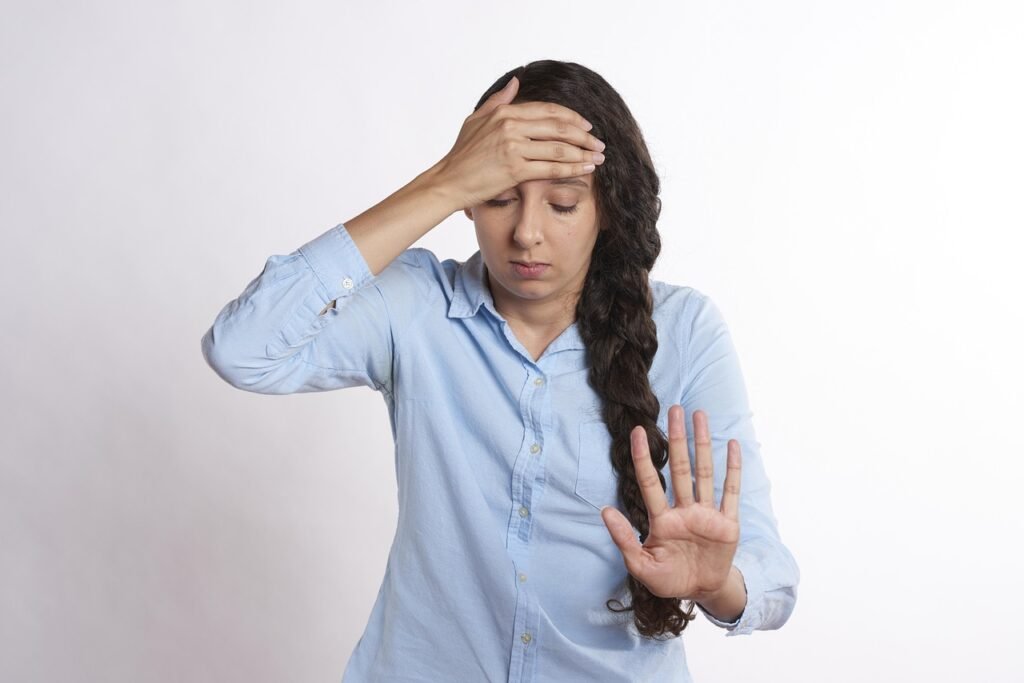
Feeling overwhelmed and pulled in a million different directions? You’re not alone. Stress is an unfortunate reality for many in today’s fast-paced world. Understanding the different types of stress, its impact, and effective treatment options is crucial for maintaining overall well-being. This comprehensive guide delves into the various facets of stress treatment, offering actionable strategies and insights to help you regain control and live a more balanced life.
Understanding Stress: Types and Impact
Stress isn’t just a feeling; it’s a complex physiological and psychological response. Recognizing the different types of stress and how they manifest is the first step towards effective treatment.
Types of Stress
- Acute Stress: This is the most common type, stemming from immediate pressures or demands. It’s short-term and usually dissipates quickly.
Example: Facing a tight deadline at work or dealing with a sudden traffic jam.
- Episodic Acute Stress: This involves frequent bouts of acute stress, often experienced by individuals who take on too many responsibilities or worry excessively.
Example: A project manager constantly facing tight deadlines and putting out fires.
- Chronic Stress: This long-term stress can result from persistent stressors, such as relationship problems, financial difficulties, or chronic illness. It’s the most damaging type of stress and can have serious health consequences.
Example: Ongoing financial struggles or a difficult family situation.
The Impact of Untreated Stress
Untreated stress can wreak havoc on your physical, emotional, and cognitive well-being.
- Physical Health:
Increased risk of heart disease, high blood pressure, and weakened immune system.
Digestive problems, headaches, and muscle tension.
- Mental Health:
Anxiety, depression, and irritability.
Difficulty concentrating, making decisions, and remembering things.
- Behavioral Changes:
Changes in eating or sleeping habits.
Social withdrawal and increased substance use.
Effective Stress Management Techniques
Managing stress effectively involves a combination of lifestyle adjustments, coping strategies, and professional interventions when necessary.
Lifestyle Modifications
These changes involve making conscious choices that promote relaxation and reduce overall stress levels.
- Regular Exercise: Physical activity is a powerful stress reliever. Even a short walk can make a difference. Aim for at least 30 minutes of moderate-intensity exercise most days of the week.
Example: Join a yoga class, go for a run, or simply take a brisk walk in your neighborhood.
- Healthy Diet: Nourishing your body with whole foods, including fruits, vegetables, and lean protein, can improve your mood and energy levels.
Example: Limit processed foods, sugary drinks, and excessive caffeine intake.
- Sufficient Sleep: Aim for 7-9 hours of quality sleep each night. Establish a regular sleep schedule and create a relaxing bedtime routine.
Example: Avoid screens before bed and create a calm environment for sleeping.
- Limit Alcohol and Caffeine: While these substances may provide temporary relief, they can worsen anxiety and disrupt sleep patterns in the long run.
Example: Replace your afternoon coffee with herbal tea or water.
Relaxation Techniques
These techniques can help you calm your mind and body in moments of stress.
- Deep Breathing Exercises: Slow, deep breaths can activate the parasympathetic nervous system, promoting relaxation.
Example: Inhale deeply through your nose, hold for a few seconds, and exhale slowly through your mouth. Repeat several times.
- Meditation and Mindfulness: Focusing on the present moment can help you detach from stressful thoughts and emotions.
Example: Use a guided meditation app or simply sit quietly and focus on your breath.
- Progressive Muscle Relaxation: This technique involves tensing and releasing different muscle groups in your body, promoting relaxation.
Example: Start with your toes, tensing them for a few seconds and then releasing. Work your way up your body, tensing and releasing each muscle group.
- Yoga and Tai Chi: These practices combine physical postures, breathing exercises, and meditation to reduce stress and improve overall well-being.
Example: Attend a local yoga class or follow online tutorials.
Cognitive and Behavioral Therapies
Cognitive Behavioral Therapy (CBT) and related approaches can help you change negative thought patterns and behaviors that contribute to stress.
Cognitive Behavioral Therapy (CBT)
CBT focuses on identifying and changing negative thought patterns and behaviors that contribute to stress.
- Identify Negative Thoughts: Learn to recognize automatic negative thoughts that trigger stress.
Example: “I’m going to fail this project.”
- Challenge Negative Thoughts: Question the validity of these thoughts and look for alternative perspectives.
Example:* “Is there evidence to support this thought? What are other possible outcomes?”
- Develop Coping Strategies: Learn new ways to manage stress, such as problem-solving skills and relaxation techniques.
Mindfulness-Based Stress Reduction (MBSR)
MBSR combines mindfulness meditation with yoga and other practices to help you become more aware of your thoughts, feelings, and sensations. This awareness can help you respond to stress in a more skillful and effective way.
- Body Scan Meditation: Focus on different parts of your body, noticing any sensations without judgment.
- Mindful Movement: Practice gentle stretching and movement exercises while paying attention to your breath and body sensations.
Seeking Professional Help
Sometimes, self-help strategies are not enough, and seeking professional help is necessary.
When to See a Therapist
- Persistent Stress: If stress is significantly impacting your daily life, relationships, or work performance.
- Co-occurring Conditions: If you are experiencing symptoms of anxiety, depression, or other mental health conditions.
- Ineffective Coping Mechanisms: If you are relying on unhealthy coping mechanisms, such as substance abuse or self-harm.
Types of Professionals Who Can Help
- Psychologists: Provide therapy and counseling services.
- Psychiatrists: Medical doctors who can prescribe medication and provide therapy.
- Licensed Clinical Social Workers (LCSWs): Offer therapy and support services.
- Counselors: Provide guidance and support for individuals facing stress and other challenges.
Conclusion
Stress is a ubiquitous part of modern life, but it doesn’t have to control you. By understanding the types of stress, implementing effective management techniques, and seeking professional help when needed, you can take control of your well-being. Remember that managing stress is an ongoing process, and finding the right combination of strategies that work for you is key. Start small, be patient with yourself, and celebrate your progress along the way.