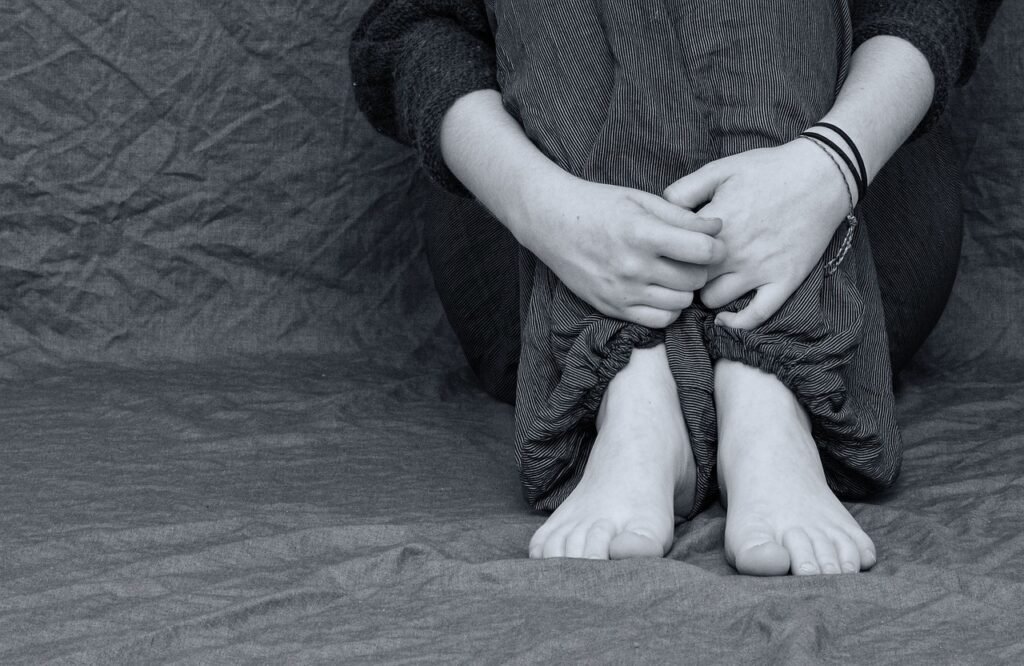
Dealing with the weight of depression can feel like navigating a relentless storm. But hope remains, and understanding available depression treatment options is the first step toward reclaiming your life. This guide provides a detailed overview of various approaches to treating depression, offering practical insights and actionable steps you can take on your journey to recovery.
Understanding Depression and When to Seek Treatment
Recognizing the Signs of Depression
Depression is more than just feeling sad; it’s a complex mood disorder characterized by persistent feelings of sadness, loss of interest, and a range of physical and emotional symptoms. It’s important to differentiate between a passing phase of sadness and a more chronic condition. Look for these signs that might indicate depression:
- Persistent sadness, emptiness, or hopelessness
- Loss of interest or pleasure in activities you once enjoyed
- Changes in appetite, resulting in weight loss or gain
- Sleep disturbances, such as insomnia or oversleeping
- Fatigue or loss of energy
- Feelings of worthlessness or excessive guilt
- Difficulty concentrating, remembering details, or making decisions
- Restlessness or slowed movements
- Thoughts of death or suicide
If you experience several of these symptoms for more than two weeks, it’s crucial to seek professional help. The National Institute of Mental Health (NIMH) estimates that nearly one in five U.S. adults will experience depression at some point in their lives, highlighting the prevalence and treatability of this condition.
When to Seek Professional Help
Knowing when to seek help is critical. Don’t hesitate to reach out to a mental health professional if you’re experiencing the symptoms listed above. Specifically, seek immediate help if you have thoughts of harming yourself or others. Here are some additional indicators that professional intervention is necessary:
- Your symptoms are significantly impacting your daily life (work, school, relationships).
- You’ve tried self-help strategies without success.
- You have a history of depression or other mental health conditions.
- You’re experiencing co-occurring conditions like anxiety or substance abuse.
- You feel overwhelmed and unable to cope.
Psychotherapy: Talking Your Way to Wellness
Cognitive Behavioral Therapy (CBT)
Cognitive Behavioral Therapy (CBT) is a widely recognized and effective form of psychotherapy for treating depression. It focuses on identifying and changing negative thought patterns and behaviors that contribute to depressive symptoms. CBT therapists help individuals develop coping mechanisms and problem-solving skills to manage challenges and improve their overall well-being.
- Core Principle: Thoughts, feelings, and behaviors are interconnected. By changing negative thoughts, you can change your feelings and behaviors.
- Techniques Used: Thought records (tracking negative thoughts), behavioral experiments (testing the validity of negative thoughts), and activity scheduling (planning enjoyable activities).
- Practical Example: Someone struggling with feelings of worthlessness might be asked to identify and challenge the negative thoughts that fuel those feelings. They might also be encouraged to engage in activities that give them a sense of accomplishment.
- Benefits: CBT provides concrete skills and strategies that individuals can use to manage their depression long-term.
Interpersonal Therapy (IPT)
Interpersonal Therapy (IPT) focuses on improving interpersonal relationships and social functioning. It acknowledges that depression can often be triggered or exacerbated by relationship difficulties. IPT helps individuals identify and address specific relationship issues that contribute to their depression.
- Core Principle: Relationship problems can contribute to or worsen depression.
- Focus Areas: Grief, role disputes, role transitions, and interpersonal deficits.
- Practical Example: Someone experiencing depression after a job loss might work with an IPT therapist to address the role transition they’re facing and develop strategies for building new social connections.
- Benefits: IPT can improve communication skills, build stronger relationships, and reduce social isolation.
Other Forms of Psychotherapy
While CBT and IPT are common, other therapeutic approaches can also be helpful. These include:
- Psychodynamic Therapy: Explores unconscious patterns and past experiences to understand the roots of depression.
- Dialectical Behavior Therapy (DBT): Originally developed for borderline personality disorder, DBT skills like mindfulness, distress tolerance, emotion regulation, and interpersonal effectiveness can be beneficial for managing depression, particularly when related to emotional dysregulation.
- Mindfulness-Based Cognitive Therapy (MBCT): Combines CBT techniques with mindfulness practices to help individuals become more aware of their thoughts and feelings without judgment.
Medication: Balancing Brain Chemistry
Antidepressant Medications
Antidepressants are medications that can help alleviate the symptoms of depression by balancing neurotransmitters in the brain. It’s important to understand that antidepressants typically take several weeks to reach their full effect, and finding the right medication and dosage may require some trial and error under the guidance of a psychiatrist.
- Types of Antidepressants:
Selective Serotonin Reuptake Inhibitors (SSRIs): Commonly prescribed due to their relatively mild side effects. Examples include sertraline (Zoloft), fluoxetine (Prozac), and escitalopram (Lexapro).
Serotonin-Norepinephrine Reuptake Inhibitors (SNRIs): Affect both serotonin and norepinephrine levels. Examples include venlafaxine (Effexor) and duloxetine (Cymbalta).
Tricyclic Antidepressants (TCAs): Older antidepressants that can be effective but have more potential side effects. Examples include amitriptyline and imipramine.
Monoamine Oxidase Inhibitors (MAOIs): Less commonly prescribed due to potential drug and food interactions. Examples include phenelzine (Nardil) and tranylcypromine (Parnate).
- Important Considerations: Discuss potential side effects with your doctor, and never stop taking antidepressants abruptly without consulting your healthcare provider. Suddenly stopping medication can lead to withdrawal symptoms.
Combining Medication and Therapy
Often, the most effective treatment approach involves combining psychotherapy and medication. Therapy can help individuals develop coping skills and address underlying issues, while medication can alleviate symptoms and make it easier to engage in therapy. This combined approach provides a more comprehensive and holistic treatment plan. Studies have shown that combined treatment is often more effective than either therapy or medication alone.
Lifestyle Changes: Nurturing Your Well-being
Diet and Exercise
Lifestyle factors play a significant role in mental health. Making positive changes to your diet and exercise routine can have a profound impact on your mood and energy levels.
- Diet: Focus on a balanced diet rich in fruits, vegetables, whole grains, and lean protein. Limit processed foods, sugary drinks, and excessive caffeine. Foods rich in omega-3 fatty acids, like fatty fish, may also be beneficial.
- Exercise: Aim for at least 30 minutes of moderate-intensity exercise most days of the week. Even short bursts of activity can make a difference. Find an activity you enjoy, whether it’s walking, running, swimming, or dancing.
- Example: Try starting with a 15-minute walk each day and gradually increase the duration and intensity. Meal prepping healthy lunches and dinners can also make it easier to maintain a healthy diet.
Sleep Hygiene
Poor sleep can worsen depressive symptoms. Establishing a consistent sleep routine and practicing good sleep hygiene can improve your sleep quality and overall mood.
- Tips for Better Sleep:
Go to bed and wake up at the same time each day, even on weekends.
Create a relaxing bedtime routine, such as taking a warm bath or reading a book.
Make sure your bedroom is dark, quiet, and cool.
Avoid caffeine and alcohol before bed.
Limit screen time in the evening.
Social Connection
Social isolation can exacerbate depression. Making an effort to connect with others can provide support, reduce feelings of loneliness, and boost your mood.
- Ways to Connect:
Spend time with family and friends.
Join a club or group that aligns with your interests.
Volunteer in your community.
Reach out to old friends or acquaintances.
Consider joining a support group for people with depression.
Alternative Therapies: Exploring Additional Options
Light Therapy
Light therapy involves exposure to a bright light source for a specific amount of time each day. It’s primarily used to treat Seasonal Affective Disorder (SAD), a type of depression that occurs during the winter months when there is less natural sunlight. However, some studies suggest it may also be helpful for other forms of depression.
- How it Works: Light therapy is thought to affect brain chemicals linked to mood and sleep.
- Usage: Typically involves sitting in front of a light box for 20-30 minutes each morning.
- Important Note: Consult with your doctor before starting light therapy, especially if you have any eye conditions.
Mindfulness and Meditation
Mindfulness and meditation practices can help individuals become more aware of their thoughts and feelings without judgment. This can reduce rumination and promote a sense of calm and well-being.
- Benefits:
Reduces stress and anxiety.
Improves focus and concentration.
* Promotes emotional regulation.
- Practical Example: Try practicing a simple guided meditation for 10 minutes each day using a meditation app or online resource.
Other Alternative Therapies
While research is ongoing, some other alternative therapies that may be helpful for depression include:
- Acupuncture: Involves inserting thin needles into specific points on the body to stimulate energy flow.
- Yoga: Combines physical postures, breathing techniques, and meditation.
- Herbal Remedies: Some herbs, like St. John’s Wort, have been used to treat depression, but it’s important to talk to your doctor before using them, as they can interact with other medications.
Conclusion
Depression treatment is a multifaceted process that requires a personalized approach. From understanding the nuances of psychotherapy and the role of medication to the significant impact of lifestyle changes and exploring alternative therapies, there is a path to recovery for everyone. Remember that seeking help is a sign of strength, and with the right support and treatment plan, you can reclaim your life and find lasting relief from the symptoms of depression. Don’t hesitate to reach out to a healthcare professional to begin your journey toward wellness today.