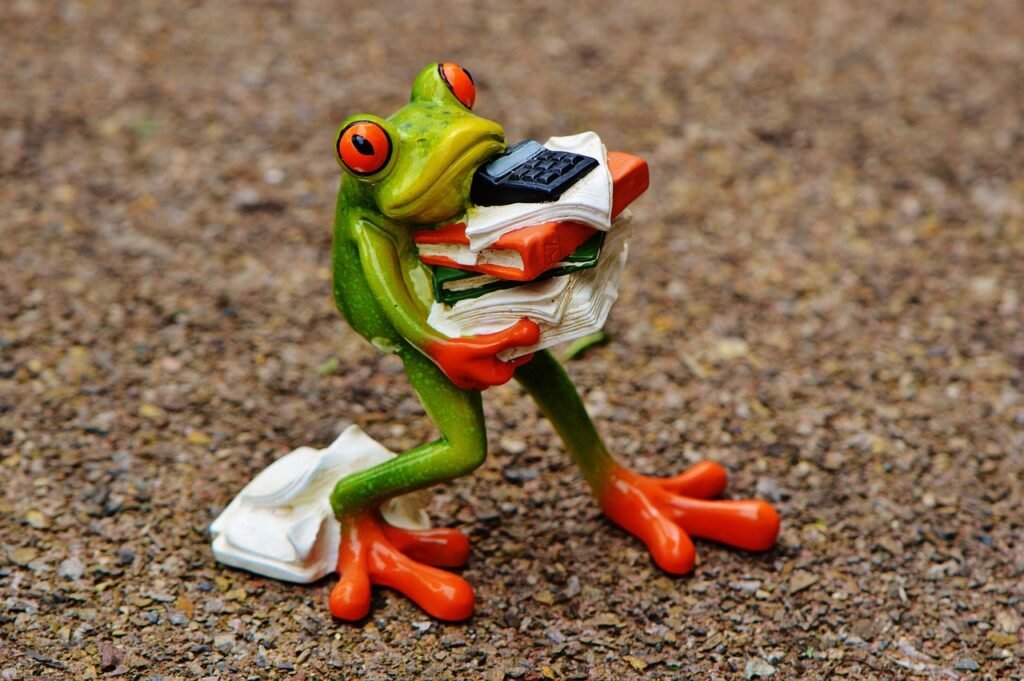
Feeling overwhelmed? Juggling work, family, and personal life can leave you feeling stressed and drained. You’re not alone! Stress is a common experience, but learning effective stress relief methods can significantly improve your well-being, productivity, and overall quality of life. This guide provides a comprehensive overview of various techniques you can implement today to manage and alleviate stress.
Understanding the Impact of Stress
The Physiological Effects of Stress
Stress isn’t just a feeling; it’s a physiological response that affects your entire body. When stressed, your body releases hormones like cortisol and adrenaline.
- Increased heart rate: Your heart pumps faster to deliver more blood to your muscles and organs.
- Elevated blood pressure: Blood vessels constrict, increasing blood pressure.
- Muscle tension: Muscles tense up, leading to aches and pains.
- Suppressed immune system: Prolonged stress weakens the immune system, making you more susceptible to illness.
Chronic stress can contribute to serious health problems, including heart disease, high blood pressure, diabetes, and mental health disorders. Understanding these effects is the first step in taking control of your stress levels.
The Psychological Effects of Stress
Stress can also take a toll on your mental health. Common psychological effects include:
- Anxiety: Excessive worry and fear.
- Irritability: Feeling easily frustrated and short-tempered.
- Difficulty concentrating: Trouble focusing and making decisions.
- Sleep disturbances: Insomnia or restless sleep.
- Depression: Persistent feelings of sadness and hopelessness.
Recognizing these psychological symptoms is crucial for seeking appropriate stress relief and support.
Mindfulness and Meditation
Practicing Mindfulness
Mindfulness is the practice of paying attention to the present moment without judgment. It involves focusing on your thoughts, feelings, and sensations as they arise, without getting caught up in them.
- Benefits: Reduces anxiety, improves focus, enhances self-awareness.
- How to practice: Sit comfortably, close your eyes, and focus on your breath. Notice the sensation of each inhale and exhale. When your mind wanders, gently redirect your attention back to your breath.
You can find guided mindfulness meditations online or through apps like Headspace and Calm. Even a few minutes of daily mindfulness can make a difference.
Meditation Techniques
Meditation involves training your mind to focus and quiet your thoughts. There are many different types of meditation, including:
- Transcendental Meditation (TM): Using a mantra to quiet the mind.
- Loving-Kindness Meditation: Cultivating feelings of compassion and kindness towards yourself and others.
- Body Scan Meditation: Bringing awareness to different parts of your body.
Example: Start with a 5-minute guided meditation. Find a quiet space, sit comfortably, and follow the instructions. Over time, gradually increase the duration of your meditation sessions. Research suggests that regular meditation can lower cortisol levels, reducing the physiological effects of stress.
Physical Activity and Exercise
The Benefits of Exercise
Physical activity is a powerful stress reliever. Exercise helps to release endorphins, which have mood-boosting effects.
- Endorphin release: Natural pain relievers that improve mood.
- Reduced muscle tension: Exercise helps to relax tense muscles.
- Improved sleep: Regular physical activity can improve sleep quality.
- Boosted self-esteem: Achieving fitness goals can boost your confidence.
According to the American Psychological Association, even short bursts of exercise can significantly reduce stress levels.
Types of Exercise for Stress Relief
Choose an activity you enjoy to make it easier to stick with it.
- Cardiovascular exercise: Running, swimming, cycling, dancing. Aim for at least 30 minutes of moderate-intensity cardio most days of the week.
- Strength training: Lifting weights or using resistance bands. Helps build muscle and improve overall fitness.
- Yoga: Combines physical postures, breathing techniques, and meditation. Proven to reduce stress and improve flexibility.
- Walking: A simple and accessible way to reduce stress and improve mood.
Actionable Tip: Schedule exercise into your daily routine. Treat it like an important appointment that you can’t miss.
Social Connection and Support
The Importance of Social Support
Connecting with others can provide emotional support and reduce feelings of isolation. Strong social connections are linked to better mental and physical health.
- Reduced feelings of loneliness: Sharing your experiences with others can help you feel less alone.
- Increased sense of belonging: Feeling connected to others can boost your self-esteem.
- Emotional support: Having someone to talk to can help you cope with stress.
- Practical assistance: Friends and family can offer help with tasks or responsibilities.
Studies show that individuals with strong social networks are more resilient to stress.
Building and Maintaining Relationships
Make an effort to nurture your relationships.
- Schedule regular time with loved ones: Plan weekly dinners, outings, or phone calls.
- Join social groups or clubs: Connect with others who share your interests.
- Volunteer: Helping others can be a great way to build connections and feel good about yourself.
- Seek professional support: If you’re struggling with stress or isolation, consider talking to a therapist or counselor.
Example: If you’re feeling overwhelmed, reach out to a friend or family member. Simply talking about your problems can provide relief and perspective.
Time Management and Organization
Prioritizing Tasks
Poor time management can lead to increased stress and feelings of overwhelm. Learning to prioritize tasks can help you feel more in control.
- Identify your priorities: Determine which tasks are most important and focus on those first.
- Use a to-do list: Write down all of your tasks and prioritize them.
- Break down large tasks into smaller, more manageable steps: This makes them less daunting.
- Learn to say no: Don’t overcommit yourself. Decline requests that will add to your stress.
Effective Time Management Techniques
Implement strategies to manage your time more efficiently.
- Time blocking: Schedule specific blocks of time for different tasks.
- The Pomodoro Technique: Work in focused 25-minute intervals, followed by a short break.
- Eliminate distractions: Turn off notifications and find a quiet workspace.
- Delegate tasks: If possible, delegate tasks to others.
Actionable Tip: Use a planner or calendar to schedule your tasks and appointments. Regularly review your schedule and adjust as needed. According to a study by the University of California, Irvine, it takes an average of 23 minutes and 15 seconds to regain focus after an interruption. Reducing distractions can significantly improve your productivity and reduce stress.
Healthy Lifestyle Choices
The Importance of Diet
What you eat can significantly impact your stress levels.
- Balanced diet: Focus on whole foods, including fruits, vegetables, whole grains, and lean protein.
- Limit processed foods: Avoid sugary drinks, processed snacks, and fast food.
- Stay hydrated: Drink plenty of water throughout the day. Dehydration can increase stress levels.
- Avoid excessive caffeine and alcohol: These substances can exacerbate anxiety and disrupt sleep.
Studies have shown that a diet rich in fruits, vegetables, and whole grains can improve mood and reduce stress.
The Role of Sleep
Getting enough sleep is crucial for managing stress.
- Establish a regular sleep schedule: Go to bed and wake up at the same time each day, even on weekends.
- Create a relaxing bedtime routine: Take a warm bath, read a book, or listen to calming music.
- Optimize your sleep environment: Make sure your bedroom is dark, quiet, and cool.
- Avoid screens before bed: The blue light emitted from electronic devices can interfere with sleep.
According to the National Sleep Foundation, adults need 7-9 hours of sleep per night. Sleep deprivation can increase stress hormones and impair cognitive function.
Conclusion
Managing stress is an ongoing process that requires a combination of strategies. By understanding the impact of stress, practicing mindfulness, engaging in physical activity, building social connections, managing your time effectively, and making healthy lifestyle choices, you can significantly reduce your stress levels and improve your overall well-being. Remember to experiment with different techniques to find what works best for you, and don’t hesitate to seek professional help if you’re struggling to cope. Taking proactive steps to manage your stress will lead to a happier, healthier, and more fulfilling life.