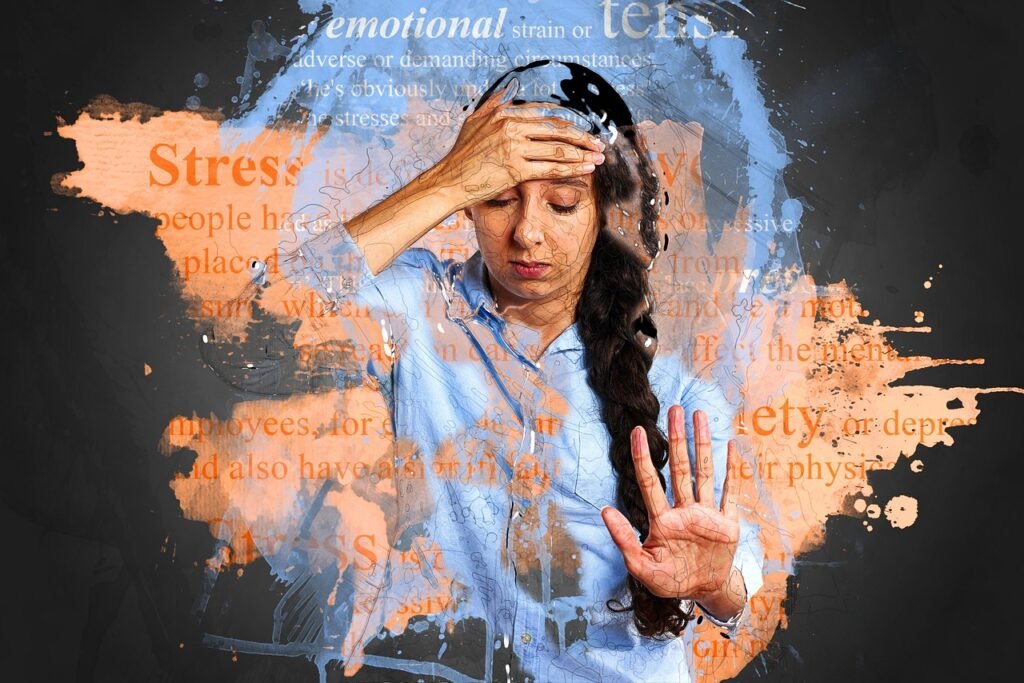
Feeling overwhelmed? Life’s demands piling up? You’re not alone. Stress is a common experience, but when it becomes chronic, it can significantly impact your physical and mental well-being. The good news is that stress therapy offers effective strategies and techniques to manage stress, improve coping mechanisms, and reclaim control over your life. This comprehensive guide will explore the ins and outs of stress therapy, providing you with practical insights and actionable steps to reduce stress and enhance your overall quality of life.
Understanding Stress and Its Impact
What is Stress?
Stress is a natural physiological response to demanding events. When faced with a perceived threat, your body releases hormones like cortisol and adrenaline, preparing you to either fight or flee. While short-term stress can be motivating, chronic stress can have detrimental effects.
- Stress is not always negative: Eustress, or positive stress, can enhance performance.
- Distress, or negative stress, occurs when the demands outweigh the resources to cope.
- Triggers: Stress can be triggered by various factors, including work, relationships, financial problems, and health concerns.
The Physical and Psychological Effects of Stress
Chronic stress can wreak havoc on both your physical and mental health. Recognizing these effects is crucial for understanding the importance of stress therapy.
- Physical Symptoms:
Headaches and muscle tension
Digestive problems
Sleep disturbances
Weakened immune system
Increased risk of cardiovascular disease
- Psychological Symptoms:
Anxiety and irritability
Depression and mood swings
Difficulty concentrating
Burnout and fatigue
Social withdrawal
According to the American Psychological Association, chronic stress is linked to the six leading causes of death: heart disease, cancer, lung ailments, accidents, cirrhosis of the liver, and suicide.
Identifying Your Stressors
The first step in managing stress is identifying your unique stressors. Keep a stress diary for a week, noting the situations, thoughts, and feelings associated with each stressful event. This practice can reveal patterns and triggers that you might not be aware of.
- Example:
Situation: Preparing for a work presentation.
Thoughts: “I’m going to mess this up. Everyone will think I’m incompetent.”
Feelings: Anxiety, nervousness, and fear.
Physical Symptoms: Increased heart rate, sweating.
What is Stress Therapy?
Definition and Goals
Stress therapy encompasses various therapeutic approaches designed to help individuals understand, manage, and reduce their stress levels. It aims to equip you with coping mechanisms, relaxation techniques, and cognitive strategies to handle stress more effectively.
- Primary Goals of Stress Therapy:
Reduce overall stress levels.
Improve coping mechanisms.
Enhance emotional regulation.
Promote relaxation and well-being.
Develop resilience to future stressors.
Types of Stress Therapy
Several types of therapy are effective in managing stress. The most common include:
- Cognitive Behavioral Therapy (CBT): Helps identify and change negative thought patterns and behaviors that contribute to stress.
Example: Challenging negative thoughts like “I always fail” with more realistic thoughts like “I can learn from my mistakes.”
- Mindfulness-Based Stress Reduction (MBSR): Teaches mindfulness techniques to increase awareness of the present moment and reduce reactivity to stress.
Example: Practicing mindful breathing exercises for 10 minutes daily.
- Acceptance and Commitment Therapy (ACT): Focuses on accepting thoughts and feelings rather than fighting them and committing to values-based actions.
Example: Accepting feelings of anxiety while still engaging in activities that are important to you.
- Relaxation Techniques: Includes techniques such as deep breathing exercises, progressive muscle relaxation, and guided imagery.
Example: Using guided imagery to visualize a peaceful and calming environment.
How Stress Therapy Works
Stress therapy typically involves a combination of education, skill-building, and practice. Therapists work with individuals to:
- Understand the relationship between thoughts, feelings, and behaviors.
- Develop coping strategies for managing stress in the moment.
- Practice relaxation techniques to reduce physiological arousal.
- Implement lifestyle changes to reduce chronic stress.
- Create a personalized stress management plan.
Benefits of Stress Therapy
Improved Mental Health
Stress therapy can significantly improve mental health by reducing symptoms of anxiety, depression, and burnout. It provides individuals with the tools to manage their emotions more effectively and develop a more positive outlook on life.
- Benefits:
Reduced anxiety and worry.
Improved mood and emotional regulation.
Increased self-esteem and confidence.
Enhanced resilience to stress.
Better sleep quality.
Enhanced Physical Health
By reducing chronic stress, stress therapy can have a positive impact on physical health. It can help lower blood pressure, improve immune function, and reduce the risk of stress-related illnesses.
- Benefits:
Lower blood pressure and heart rate.
Improved immune function.
Reduced risk of cardiovascular disease.
Better digestive health.
Decreased muscle tension and pain.
Better Relationships
Stress can strain relationships with family, friends, and colleagues. Stress therapy can help individuals communicate more effectively, manage conflicts, and build stronger connections.
- Benefits:
Improved communication skills.
Better conflict resolution.
Increased empathy and understanding.
Stronger emotional bonds.
Reduced irritability and anger.
Increased Productivity
Stress can negatively impact productivity and performance at work or school. Stress therapy can help individuals focus better, manage their time effectively, and achieve their goals.
- Benefits:
Improved concentration and focus.
Better time management skills.
Increased motivation and energy.
Enhanced problem-solving abilities.
Greater job satisfaction.
Practical Stress Management Techniques
Relaxation Techniques
Incorporating relaxation techniques into your daily routine can significantly reduce stress levels.
- Deep Breathing: Take slow, deep breaths, inhaling through your nose and exhaling through your mouth. Focus on your breath and let go of any tension in your body.
Example: Practice 5-10 deep breaths several times a day.
- Progressive Muscle Relaxation (PMR): Systematically tense and relax different muscle groups in your body.
Example: Start with your toes, tense the muscles for 5 seconds, and then relax them for 30 seconds.
- Guided Imagery: Visualize a peaceful and calming scene.
Example: Imagine yourself on a beach, listening to the waves, and feeling the warm sun on your skin.
Cognitive Restructuring
Cognitive restructuring involves identifying and challenging negative thought patterns that contribute to stress.
- Identify Negative Thoughts: Notice thoughts that are causing you stress.
- Challenge the Thoughts: Ask yourself if there is evidence to support the thought or if it is based on assumptions.
- Replace Negative Thoughts: Replace negative thoughts with more realistic and positive ones.
Lifestyle Changes
Making lifestyle changes can help reduce chronic stress and improve overall well-being.
- Regular Exercise: Exercise releases endorphins, which have mood-boosting effects.
- Healthy Diet: Eat a balanced diet rich in fruits, vegetables, and whole grains.
- Sufficient Sleep: Aim for 7-8 hours of sleep per night.
- Limit Caffeine and Alcohol: These substances can exacerbate anxiety and stress.
- Social Support: Spend time with friends and family.
- Mindfulness and Meditation: Incorporate mindfulness practices into your daily routine.
Time Management Strategies
Poor time management can lead to increased stress. Implementing effective time management strategies can help you feel more in control of your life.
- Prioritize Tasks: Identify your most important tasks and focus on those first.
- Break Down Large Tasks: Break large tasks into smaller, more manageable steps.
- Set Realistic Goals: Avoid overcommitting yourself and set realistic goals.
- Delegate Tasks: Delegate tasks to others when possible.
- Take Breaks: Take regular breaks throughout the day to avoid burnout.
Finding a Stress Therapist
Qualifications and Credentials
When searching for a stress therapist, it’s crucial to look for someone with the appropriate qualifications and credentials.
- Licensed Psychologist (PhD or PsyD): Holds a doctoral degree in psychology and is licensed to practice.
- Licensed Clinical Social Worker (LCSW): Holds a master’s degree in social work and is licensed to provide therapy.
- Licensed Professional Counselor (LPC): Holds a master’s degree in counseling and is licensed to provide therapy.
- Licensed Marriage and Family Therapist (LMFT): Holds a master’s degree in marriage and family therapy and is licensed to provide therapy.
Questions to Ask a Potential Therapist
Before starting therapy, it’s important to ask potential therapists questions to ensure they are a good fit for you.
- What is your experience in treating stress-related issues?
- What therapeutic approaches do you use?
- What are your fees and payment options?
- Do you offer online therapy sessions?
- What is your cancellation policy?
Resources for Finding a Therapist
- Psychology Today: Offers a directory of therapists searchable by location and specialty.
- American Psychological Association (APA): Provides information on finding a psychologist and mental health resources.
- National Association of Social Workers (NASW): Offers a directory of social workers searchable by location and specialty.
- Your Insurance Provider: Check with your insurance provider for a list of in-network therapists.
Conclusion
Stress therapy provides valuable tools and strategies for managing stress and improving overall well-being. By understanding the impact of stress, identifying your stressors, and implementing practical stress management techniques, you can take control of your life and enhance your mental and physical health. Whether you choose cognitive behavioral therapy, mindfulness-based stress reduction, or other relaxation techniques, the key is to find a personalized approach that works for you. If you’re struggling to manage stress on your own, consider seeking professional help from a qualified stress therapist. Taking proactive steps to manage stress can lead to a happier, healthier, and more fulfilling life.