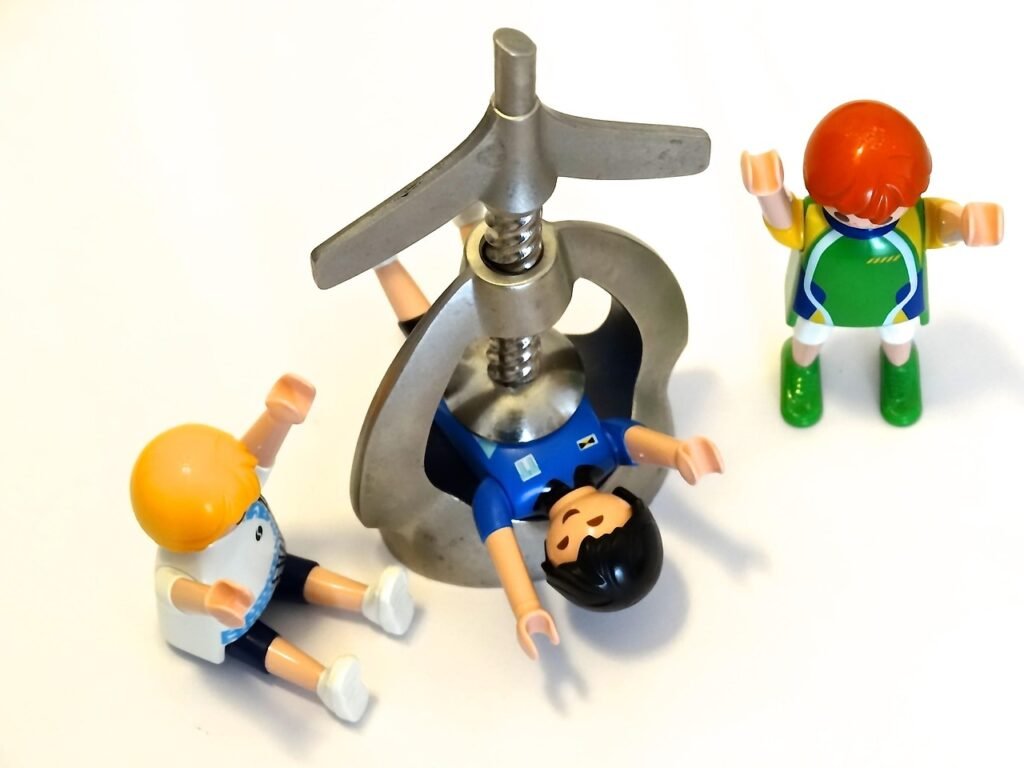
Feeling overwhelmed? You’re not alone. Modern life is a whirlwind of demands, leaving many of us grappling with chronic stress. But stress doesn’t have to rule your life. Fortunately, a wealth of stress management tools are available to help you regain control, boost your well-being, and navigate life’s challenges with greater ease. This guide explores proven strategies for effectively managing stress, providing you with practical techniques to incorporate into your daily routine.
Understanding Your Stressors
Identifying Triggers
The first step in managing stress is understanding what’s causing it. Stressors can be internal (e.g., negative self-talk) or external (e.g., work pressure).
- Journaling: Regularly writing down your thoughts and feelings can help you identify recurring patterns and pinpoint specific triggers.
Example: Note what happened, how you felt (physically and emotionally), and your immediate reaction.
- Stress Audits: Periodically review your schedule and activities to identify areas contributing to stress.
Example: Track your time for a week and note which activities lead to increased stress levels.
- Mindfulness Practices: Paying attention to the present moment without judgment can make you more aware of your stress responses in real-time.
Common Stressors
Be aware of these prevalent sources of stress.
- Work-Related Stress: Deadlines, demanding workloads, interpersonal conflicts, and lack of control.
- Financial Stress: Debt, unemployment, unexpected expenses, and concerns about the future.
- Relationship Stress: Conflicts with family, friends, or romantic partners.
- Health Concerns: Illness, injury, or worries about health issues.
Relaxation Techniques
Deep Breathing Exercises
Deep breathing is a simple yet powerful way to calm your nervous system.
- Diaphragmatic Breathing: Focus on breathing deeply from your diaphragm, expanding your belly as you inhale.
How to: Place one hand on your chest and the other on your belly. Inhale deeply through your nose, allowing your belly to rise. Exhale slowly through your mouth, letting your belly fall.
- Box Breathing: Inhale for 4 seconds, hold for 4 seconds, exhale for 4 seconds, hold for 4 seconds.
Benefits: Reduces heart rate, lowers blood pressure, and promotes relaxation.
Progressive Muscle Relaxation (PMR)
PMR involves tensing and relaxing different muscle groups in your body.
- How to: Start with your toes, tensing them tightly for a few seconds, then releasing and focusing on the sensation of relaxation. Work your way up your body, tensing and relaxing each muscle group (calves, thighs, abdomen, chest, arms, face).
- Benefits: Reduces muscle tension, relieves anxiety, and improves sleep.
Meditation and Mindfulness
Mindfulness meditation involves focusing your attention on the present moment without judgment.
- Guided Meditation: Use apps or recordings to guide you through a meditation session.
Examples: Headspace, Calm, Insight Timer.
- Mindful Walking: Pay attention to the sensation of your feet touching the ground as you walk.
- Body Scan Meditation: Focus on different parts of your body, noticing any sensations without judgment.
- According to a study by Harvard Medical School, mindfulness meditation can actually alter the brain’s structure, leading to decreased stress and anxiety.
Lifestyle Adjustments
Prioritizing Sleep
Adequate sleep is crucial for managing stress.
- Establish a Regular Sleep Schedule: Go to bed and wake up at the same time each day, even on weekends.
- Create a Relaxing Bedtime Routine: Take a warm bath, read a book, or listen to calming music before bed.
- Optimize Your Sleep Environment: Make sure your bedroom is dark, quiet, and cool.
- Limit Screen Time Before Bed: The blue light emitted from electronic devices can interfere with sleep.
Healthy Diet
A balanced diet can significantly impact your stress levels.
- Eat Regular Meals: Avoid skipping meals to maintain stable blood sugar levels.
- Limit Processed Foods, Sugar, and Caffeine: These can exacerbate stress and anxiety.
- Increase Intake of Fruits, Vegetables, and Whole Grains: These provide essential nutrients and support overall well-being.
- Stay Hydrated: Dehydration can contribute to stress symptoms.
Regular Exercise
Physical activity is a powerful stress reliever.
- Aerobic Exercise: Activities like running, swimming, or cycling can release endorphins, which have mood-boosting effects.
- Strength Training: Building muscle can improve your physical and mental health.
- Yoga and Tai Chi: These practices combine physical movement with mindfulness and relaxation.
- The American Psychological Association reports that even short bursts of exercise (15-20 minutes) can significantly reduce stress.
Time Management Strategies
Prioritization and Planning
Effective time management can reduce feelings of overwhelm.
- Use a Planner or Calendar: Schedule tasks and appointments to stay organized.
- Prioritize Tasks: Use methods like the Eisenhower Matrix (urgent/important) to focus on the most critical tasks.
- Break Down Large Tasks: Divide large projects into smaller, more manageable steps.
- Set Realistic Goals: Avoid overcommitting yourself.
Delegation and Saying No
It’s okay to ask for help and decline additional responsibilities.
- Delegate Tasks: If possible, delegate tasks to others to reduce your workload.
- Learn to Say No: Politely decline requests that would add to your stress.
- Set Boundaries: Clearly define your limits and communicate them to others.
Avoiding Procrastination
Procrastination can increase stress and anxiety.
- Identify the Reasons for Procrastination: Are you afraid of failure, overwhelmed by the task, or lacking motivation?
- Break Down the Task: Divide the task into smaller, more manageable steps.
- Set a Timer: Work on the task for a set amount of time (e.g., 25 minutes) and then take a break (Pomodoro Technique).
- Reward Yourself: Celebrate your progress to stay motivated.
Social Support
Building a Strong Support Network
Connecting with others can provide emotional support and reduce feelings of isolation.
- Spend Time with Loved Ones: Make time for family and friends.
- Join Support Groups: Connect with others who are experiencing similar challenges.
- Seek Professional Help: Consider therapy or counseling if you are struggling to manage stress on your own.
- Studies have shown that strong social connections are associated with lower levels of stress hormones.*
Communication Skills
Effective communication can help resolve conflicts and build stronger relationships.
- Practice Active Listening: Pay attention to what others are saying and try to understand their perspective.
- Express Your Feelings Assertively: Communicate your needs and boundaries clearly and respectfully.
- Resolve Conflicts Constructively: Focus on finding solutions rather than assigning blame.
Conclusion
Stress management is an ongoing process that requires commitment and self-awareness. By understanding your stressors, practicing relaxation techniques, making lifestyle adjustments, improving your time management skills, and building a strong support network, you can effectively manage stress and improve your overall well-being. Start incorporating these tools into your daily routine and discover the positive impact they can have on your life. Remember, seeking professional help is always an option if you’re struggling to cope with stress on your own.