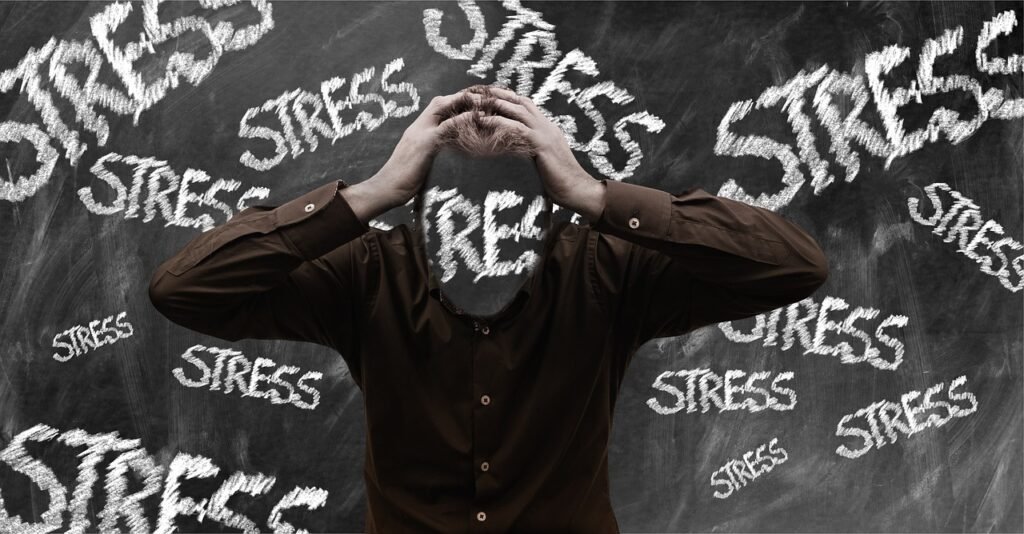
Relationships, those intricate tapestries woven with love, laughter, and shared experiences, are also often battlegrounds for stress. Whether it’s the daily grind, financial pressures, or differences in opinion, stress can seep into the foundation of even the strongest bonds. Understanding the sources of relationship stress, how it manifests, and, most importantly, how to manage it, is crucial for nurturing a healthy and lasting partnership. This article will explore the common stressors that plague relationships and provide actionable strategies for navigating them together.
Identifying Common Sources of Relationship Stress
Stress in a relationship can stem from a multitude of factors, both internal and external to the couple. Recognizing these stressors is the first step toward addressing them effectively.
External Stressors
External stressors are those factors originating outside of the relationship itself. They often impact both partners and can create shared anxieties.
- Financial Difficulties: Money problems are consistently cited as a top stressor in relationships. Job loss, debt, unexpected expenses, and differing financial philosophies can all contribute.
Example: A couple struggling to pay their mortgage might experience increased arguments and resentment, especially if one partner is perceived as being more responsible for the situation.
- Work-Related Stress: Demanding jobs, long hours, workplace conflicts, and career uncertainty can spill over into personal life, leaving partners exhausted and irritable.
Example: A partner who is constantly working late and feeling burned out might be less attentive and emotionally available to their significant other.
- Family Obligations: Caring for aging parents, managing children, or navigating extended family dynamics can place significant strain on a relationship.
Example: A couple disagreeing on how to discipline their children or feeling overwhelmed by the demands of caring for an elderly parent can lead to conflict and resentment.
- Social Isolation: A lack of social support and connection with others can amplify stress and make it harder for couples to cope.
Example: Moving to a new city and feeling isolated from friends and family can increase reliance on a partner for emotional support, which can become overwhelming.
Internal Stressors
Internal stressors originate within the relationship itself. These can be more challenging to address, as they often involve deeper emotional issues.
- Communication Problems: Poor communication is a major relationship killer. Misunderstandings, defensiveness, and a lack of open and honest dialogue can create a breeding ground for conflict.
Example: One partner consistently shutting down during disagreements, leaving the other feeling unheard and invalidated.
- Lack of Intimacy: Both physical and emotional intimacy are vital for a healthy relationship. A decline in intimacy can lead to feelings of rejection, insecurity, and resentment.
Example: A couple growing apart due to differing sexual desires or a lack of quality time spent together.
- Conflicting Values and Goals: Fundamental differences in values, beliefs, and life goals can create ongoing tension and conflict.
Example: One partner prioritizing career advancement while the other values family time and a slower pace of life.
- Jealousy and Insecurity: Feelings of jealousy and insecurity can stem from past experiences, low self-esteem, or a lack of trust in the relationship.
Example: One partner constantly checking their significant other’s phone or social media accounts due to insecurity and fear of infidelity.
Recognizing the Signs of Stress in Your Relationship
Stress manifests differently in every relationship, but there are some common warning signs to watch out for. Recognizing these signs early can help you take proactive steps to address the underlying issues.
- Increased Arguments and Conflict: An increase in the frequency and intensity of arguments, even over minor issues, is a significant red flag.
- Withdrawal and Emotional Distance: Partners may become less affectionate, less communicative, and less interested in spending time together.
- Irritability and Mood Swings: Increased irritability, anger, and mood swings can be a sign of underlying stress and resentment.
- Decreased Intimacy and Sex Drive: Stress can significantly impact both physical and emotional intimacy, leading to a decline in sexual desire and satisfaction.
- Physical Symptoms: Stress can manifest physically in the form of headaches, fatigue, digestive issues, and sleep disturbances.
- Difficulty Making Decisions: Stress can impair cognitive function, making it difficult to make decisions, both big and small.
Developing Effective Communication Strategies
Communication is the cornerstone of a healthy relationship, especially when dealing with stress. Learning effective communication techniques can help you navigate conflict constructively and strengthen your bond.
Active Listening
Active listening involves fully focusing on what your partner is saying, both verbally and nonverbally, and responding in a way that shows you understand their perspective.
- Pay attention: Give your partner your undivided attention, making eye contact and minimizing distractions.
- Reflect: Summarize what you’ve heard to ensure you understand their message accurately. For example, “So, you’re feeling frustrated because…”
- Empathize: Acknowledge your partner’s feelings and try to see things from their point of view. “I can understand why you’re feeling that way.”
- Ask clarifying questions: Ask questions to gain a deeper understanding of their perspective. “Can you tell me more about that?”
“I” Statements
Using “I” statements allows you to express your feelings and needs without blaming or accusing your partner.
- Example: Instead of saying, “You always make me feel ignored,” try saying, “I feel ignored when you don’t respond to my texts.”
- Focus on your own feelings and experiences rather than blaming your partner.
- Begin with “I feel…” followed by your emotion and the specific situation that triggered it.
Setting Boundaries
Establishing healthy boundaries is essential for maintaining a respectful and fulfilling relationship.
- Communicate your needs and limits: Be clear about what you are and are not comfortable with.
- Respect your partner’s boundaries: Acknowledge and honor their needs and limits, even if you don’t fully understand them.
- Enforce your boundaries consistently: Be firm in upholding your boundaries and don’t allow them to be violated.
Practical Strategies for Managing Relationship Stress
Beyond communication, implementing practical strategies can help couples proactively manage stress and build resilience.
Prioritize Quality Time Together
Scheduling regular quality time together can help strengthen your bond and provide a respite from daily stressors.
- Plan date nights: Dedicate specific evenings for planned activities that you both enjoy.
- Create rituals: Establish small, consistent rituals that foster connection, such as having morning coffee together or taking a nightly walk.
- Minimize distractions: Put away your phones and other devices during quality time to be fully present with each other.
Practice Self-Care
Taking care of your own physical and emotional well-being is crucial for managing stress and maintaining a healthy relationship.
- Exercise regularly: Physical activity is a great stress reliever and can improve mood and energy levels.
- Get enough sleep: Adequate sleep is essential for cognitive function and emotional regulation.
- Engage in relaxing activities: Make time for activities that you enjoy and that help you relax and de-stress, such as reading, listening to music, or spending time in nature.
Seek Professional Help
Sometimes, the stressors in a relationship are too complex to manage on your own. Seeking professional help from a therapist or counselor can provide valuable support and guidance.
- Couples therapy: Couples therapy can help you improve communication, resolve conflict, and strengthen your bond.
- Individual therapy: Individual therapy can help you address personal issues that may be contributing to relationship stress.
- Benefits of therapy:
Provides a safe and neutral space to discuss challenging issues.
Offers objective feedback and guidance.
* Teaches effective communication and conflict resolution skills.
Conclusion
Stress is an inevitable part of any relationship, but it doesn’t have to define it. By understanding the sources of stress, recognizing the warning signs, and implementing effective communication and coping strategies, couples can navigate challenges together and build a stronger, more resilient bond. Remember that seeking professional help is a sign of strength, not weakness, and can provide invaluable support when needed. Prioritizing your relationship and proactively managing stress will pave the way for a lasting and fulfilling partnership.